

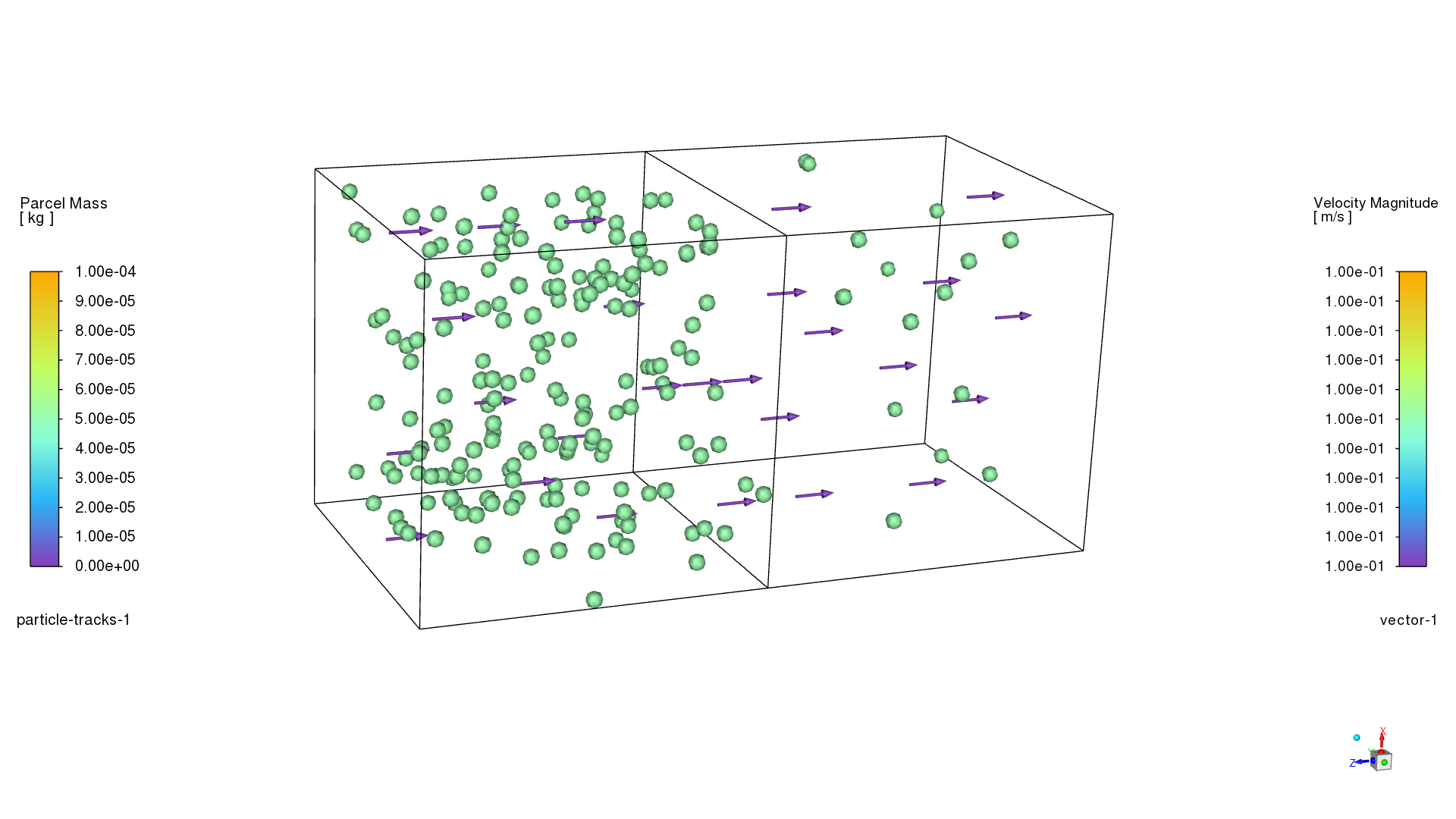
Details:
Technologies Used
- Ansys Discovery
- Ansys Fluent
- DPM UDS
- UDF
Objective:
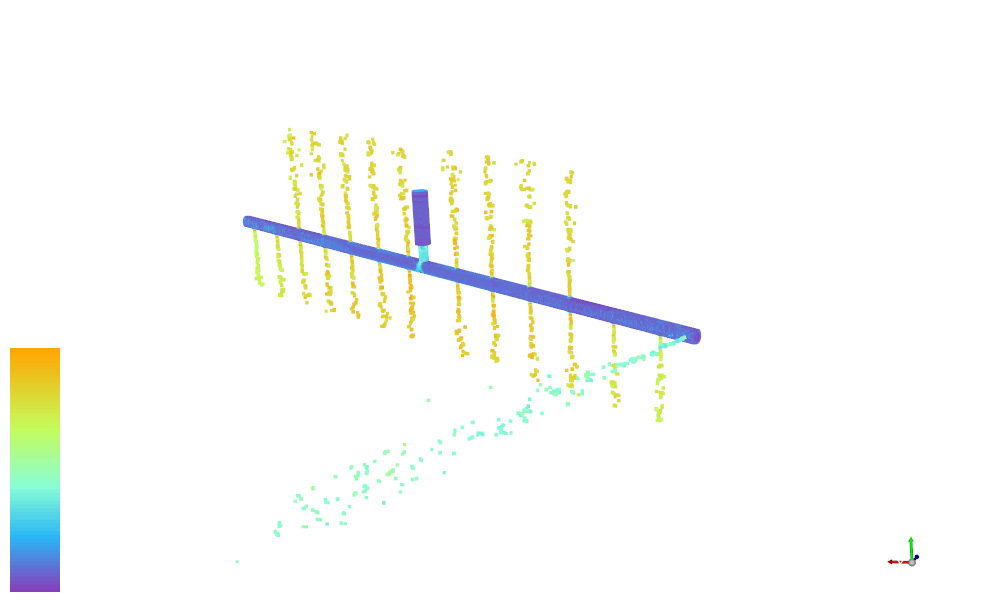
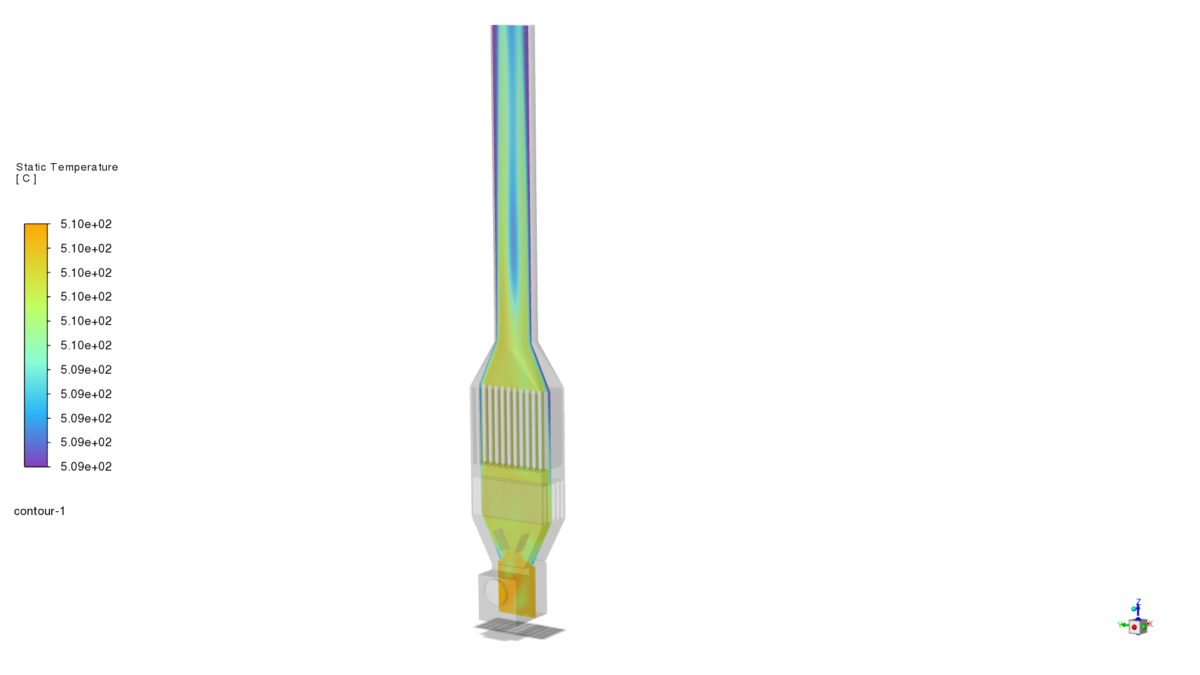
Simulate filter clogging behavior and evaluate the filtering efficiency of a truck brake system for different particle sizes.
Challenge:
Accurately modeling particle entrapment and filter clogging requires advanced simulation techniques beyond standard CFD capabilities. The base simulation tools did not provide built-in functionality to represent particle capture, clogging evolution, or size-dependent filtration efficiency, making realistic prediction of filter performance difficult.
Solution:
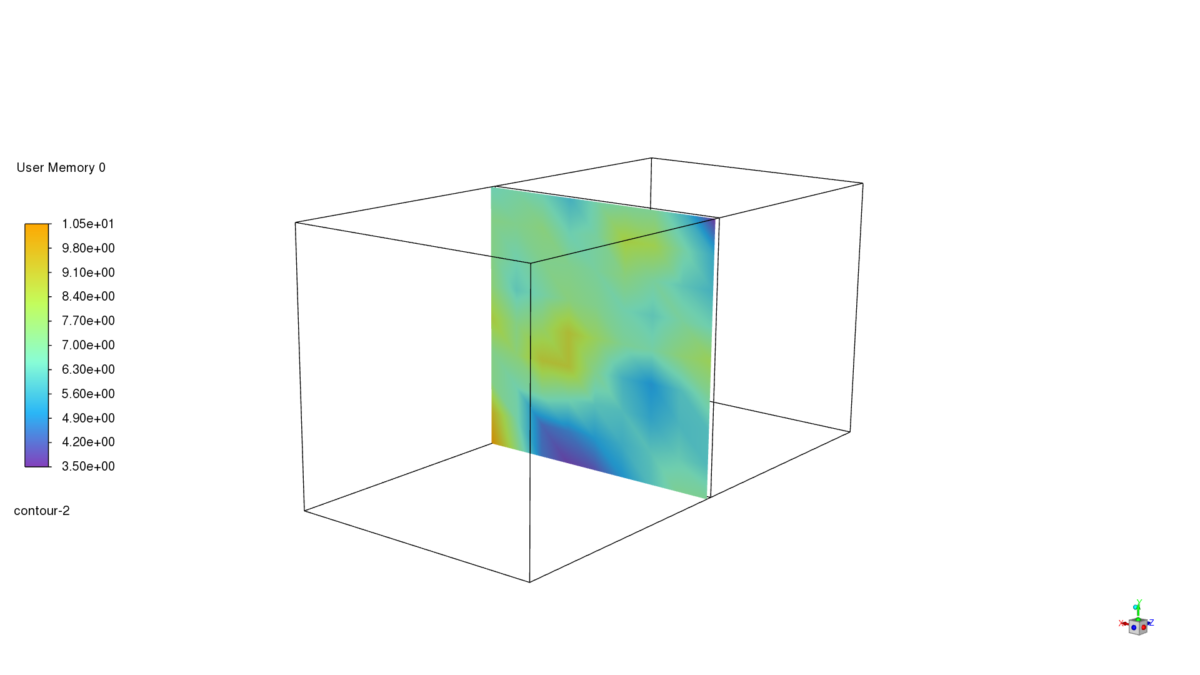
Using ANSYS Fluent, a customized simulation approach was developed by combining existing physical models with User-Defined Functions (UDFs). The filter was represented as a porous zone, with its properties dynamically updated based on the accumulated mass of trapped particles via UDFs. Additional UDFs were implemented to model velocity- and particle-size-dependent capture efficiency, enabling realistic simulation of clogging progression, pressure drop evolution, and filtration performance over time.
Conclusion:
The delivered UDFs and simulation workflow significantly improved prediction accuracy and extended the company’s CFD capabilities beyond standard tools. The enhanced model provided deeper insight into filter performance and clogging behavior, delivering added engineering value and supporting better-informed design decisions.